

























elliotlyons

elliotlyons

elliotlyons

Rapid prototyping, automated workflows and ai-integrated systems

Bespokeai-Integratedsystemsthatenhanceoutputandreduceriskofcomplex,operationaltasks.

Bespoke ai-Integrated systems that enhance output and reduce risk of complex, operational tasks.

System Impact

_001

Risk Reduction

Manual data entry exposes businesses to critical mistakes. Architecting systems linked to a single source of truth lessens the likelihood of data errors, ensuring compliance and protecting against costly operational oversights.

_001

Risk Reduction

Manual data entry exposes businesses to critical mistakes. Architecting systems linked to a single source of truth lessens the likelihood of data errors, ensuring compliance and protecting against costly operational oversights.

_002

Resource Efficiency

High-value employees lose hours to administrative friction. Designing AI-native workspaces speeds up and automates repetitive tasks, like generating reports and structuring data, shifting focus from manual management to strategic execution.

_002

Resource Efficiency

High-value employees lose hours to administrative friction. Designing AI-native workspaces speeds up and automates repetitive tasks, like generating reports and structuring data, shifting focus from manual management to strategic execution.

_003

Unblock Operations

Siloed departments create severe bottlenecks. Building unified, cross-functional platforms automatically carries data and informs decisions between teams in real time, creating a frictionless pipeline that accelerates internal momentum.

_003

Unblock Operations

Siloed departments create severe bottlenecks. Building unified, cross-functional platforms automatically carries data and informs decisions between teams in real time, creating a frictionless pipeline that accelerates internal momentum.

_004

Competitive Agility

Adapting internal systems faster than the competition is a structural advantage. Rapidly deploying and refining proprietary workflows ensures operational infrastructure actively drives new business initiatives forward, rather than acting as a rigid anchor.

_004

Competitive Agility

Adapting internal systems faster than the competition is a structural advantage. Rapidly deploying and refining proprietary workflows ensures operational infrastructure actively drives new business initiatives forward, rather than acting as a rigid anchor.

_005

Unify Systems

Navigating fragmented legacy tools drains thousands of hours. Architecting custom software that pulls disparate data streams into a single, cohesive interface drastically reduces administrative friction and reclaims lost productivity.

_005

Unify Systems

Navigating fragmented legacy tools drains thousands of hours. Architecting custom software that pulls disparate data streams into a single, cohesive interface drastically reduces administrative friction and reclaims lost productivity.

AI-integrated systems for workforce empowerment to reduce risk and eliminate operational bottlenecks.

0%

Faster time-to-value by bypassing traditional design-to-development pipelines.

0%

Reduction in data errors through single-source-of-truth system architecture.

0+

Hours reclaimed weekly per employee by automating complex administrative workflows.

0%

Lower architectural overhead by replacing bloated agency build cycles.

Process

Each of these systems was built to address one of those failures directly, designed, prototyped, and shipped as a functional product rather than a static proposal.
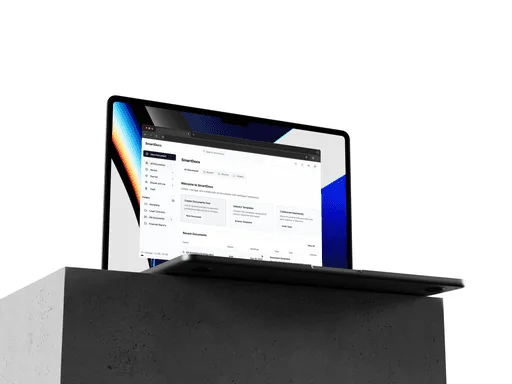
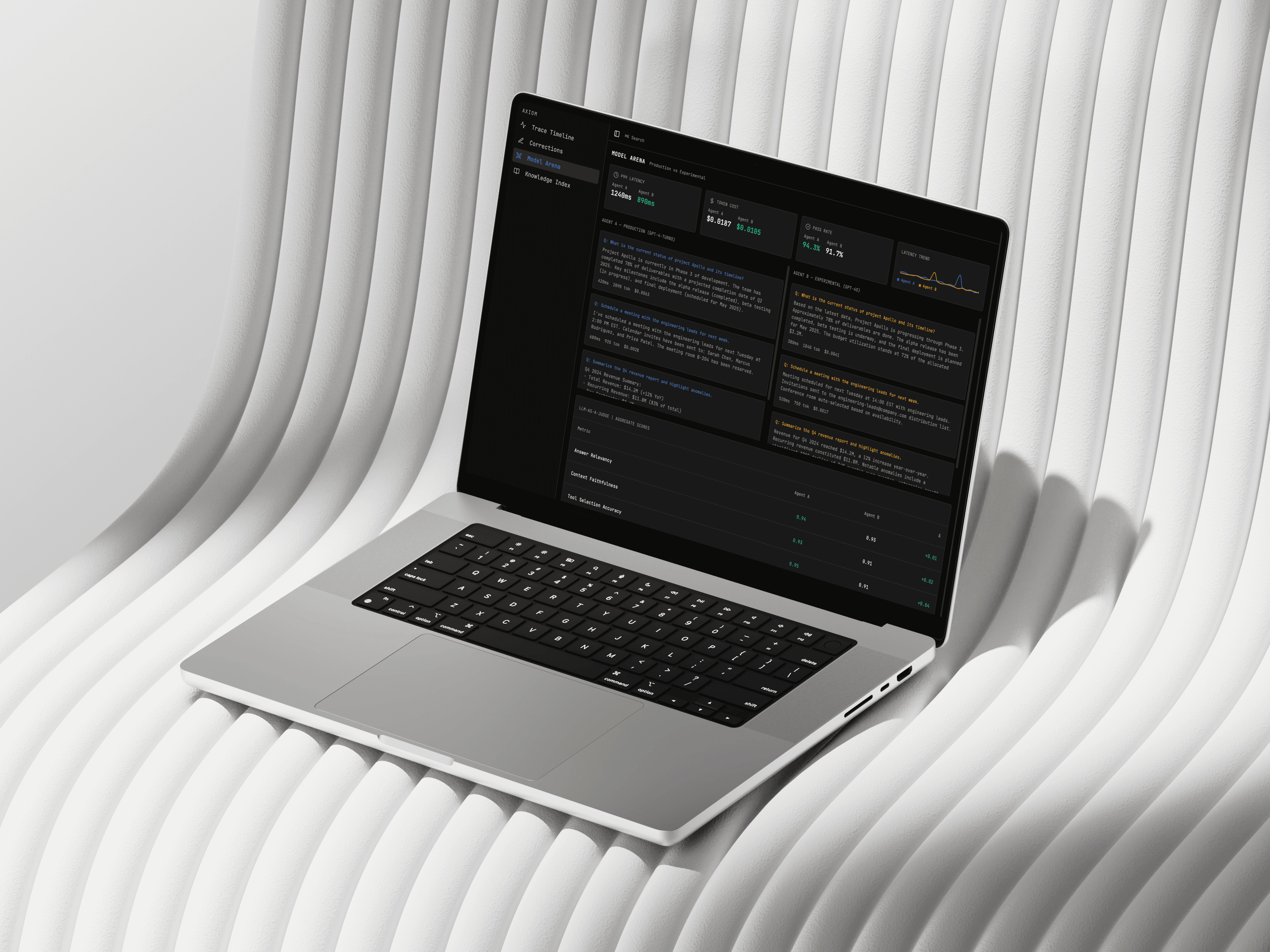
Ingests raw operational data and surfaces it as structured, colour-coded intelligence, giving strategy teams a clear read on performance, risk, and opportunity without the manual aggregation work that usually sits between the data and the decision.

Syynth

AI-Driven Strategic Reporting

Ingests raw operational data and surfaces it as structured, colour-coded intelligence, giving strategy teams a clear read on performance, risk, and opportunity without the manual aggregation work that usually sits between the data and the decision.

Syynth

AI-Driven Strategic Reporting

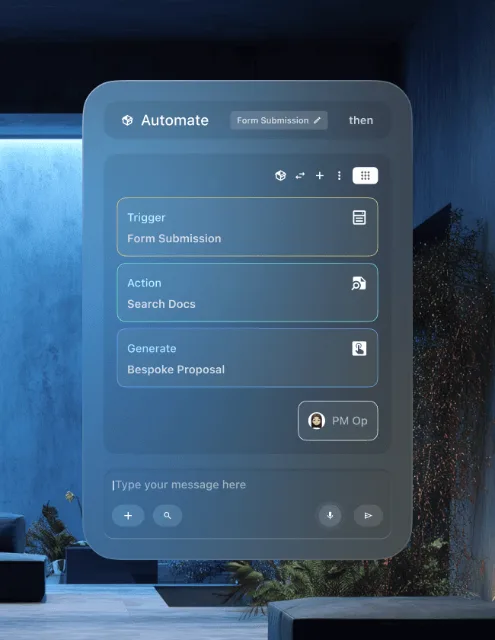
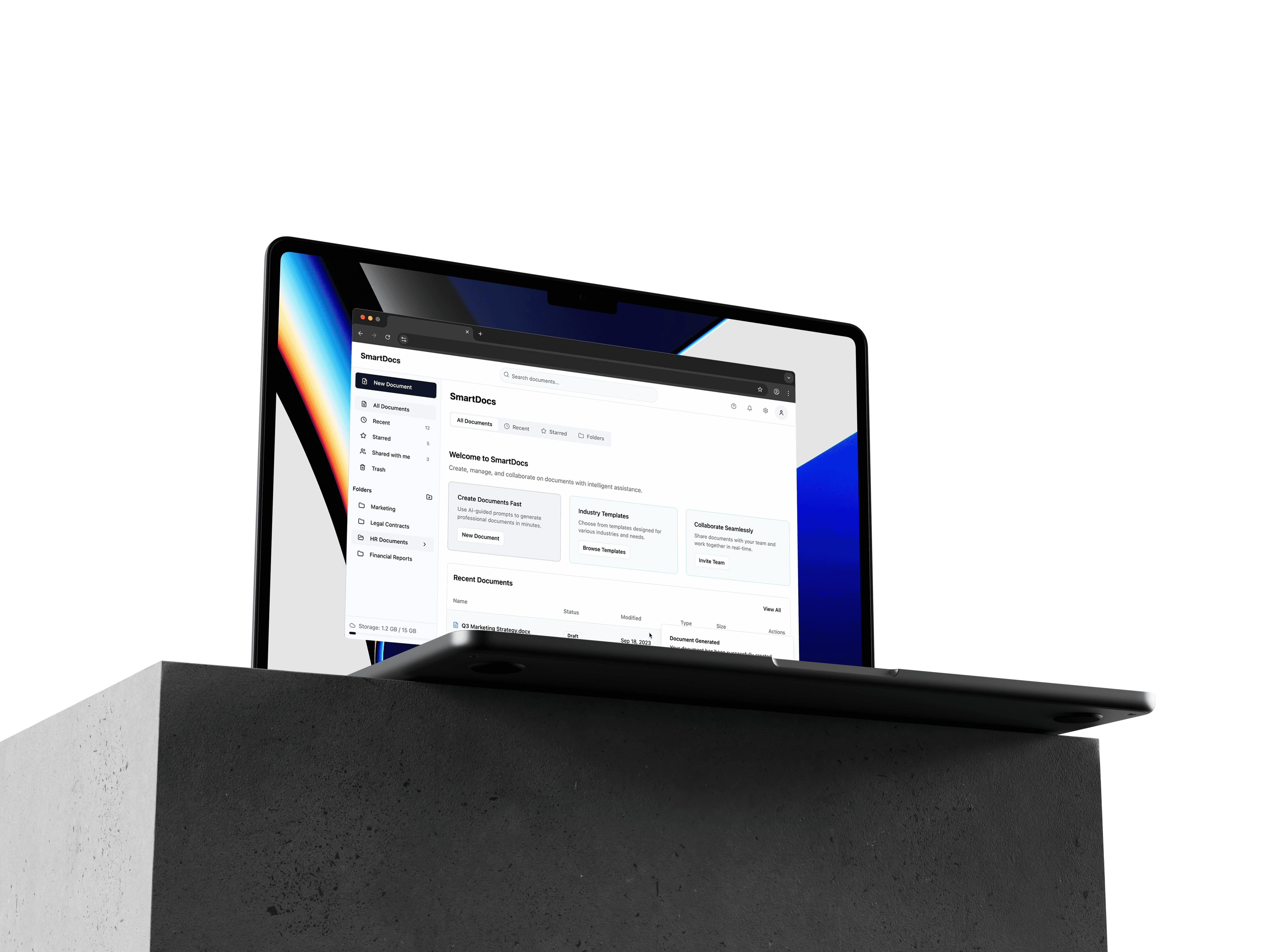
Connects to existing data sources and assembles contracts, proposals, and invoices automatically, pulling the right client details, scope, and pricing into a formatted document without anyone retyping information that already exists elsewhere in the business.

Process Pilot

Document Orchestration

Connects to existing data sources and assembles contracts, proposals, and invoices automatically, pulling the right client details, scope, and pricing into a formatted document without anyone retyping information that already exists elsewhere in the business.

Process Pilot

Document Orchestration

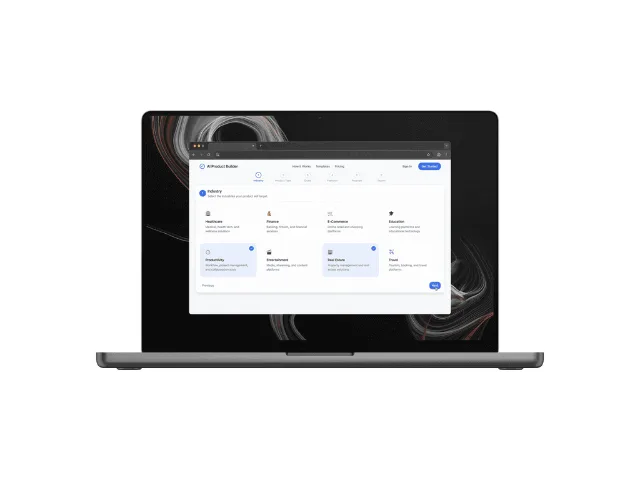
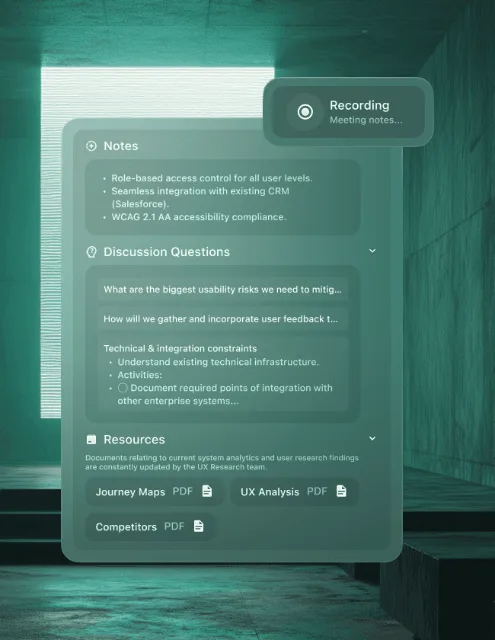
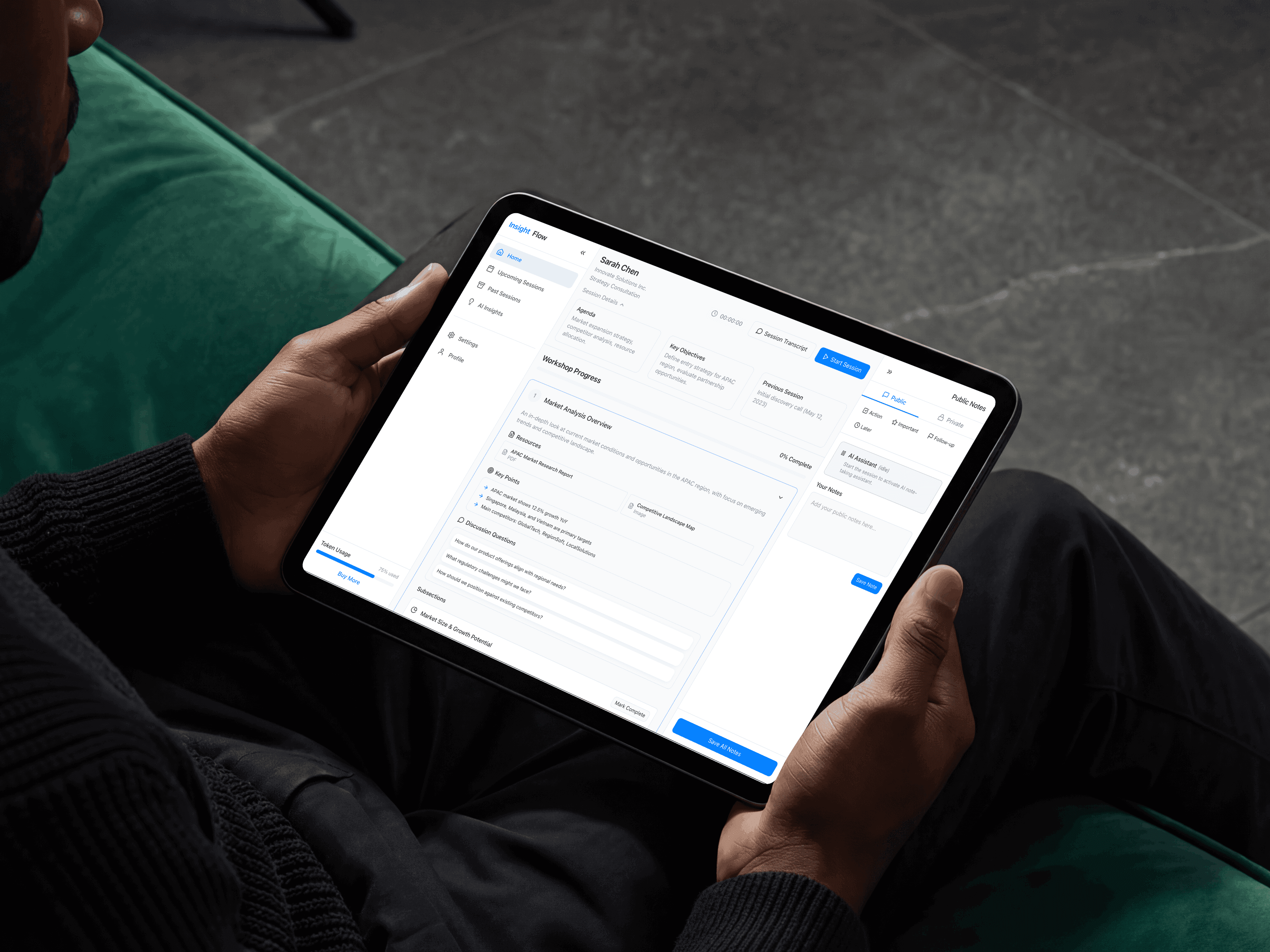
Takes a product brief and generates requirements, user flows, and a functional interface in a live, testable environment, skipping the static documentation phase entirely and moving straight to something a team can validate, iterate on, and ship from.

AI Product Builder

Intelligent Scoping Workspace

Takes a product brief and generates requirements, user flows, and a functional interface in a live, testable environment, skipping the static documentation phase entirely and moving straight to something a team can validate, iterate on, and ship from.

AI Product Builder

Intelligent Scoping Workspace

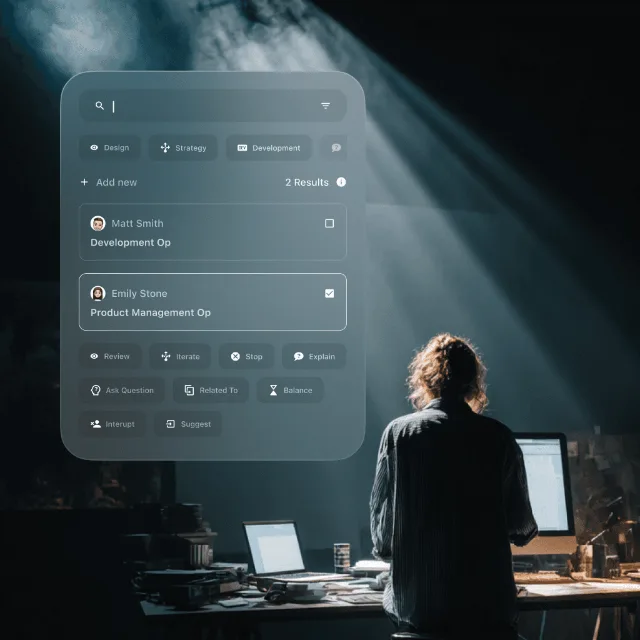
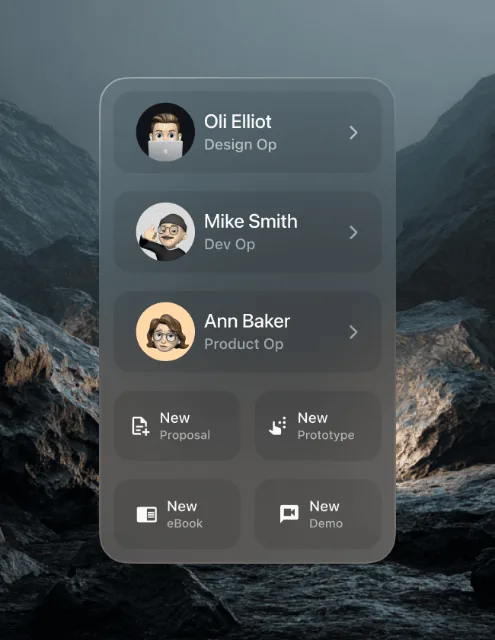
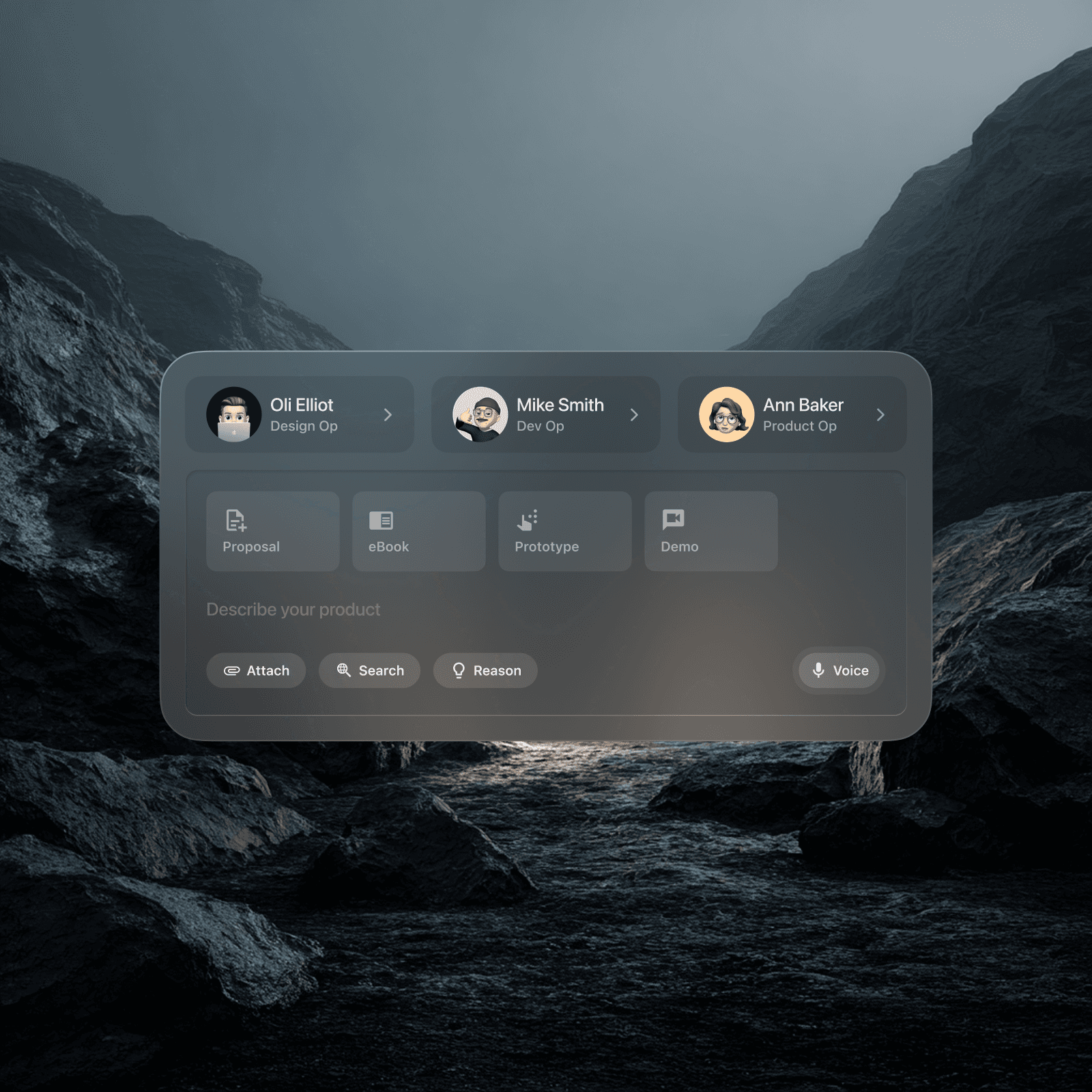
Sits above existing tools as a unified command layer, letting designers, developers, and product managers generate prototypes, write code, and automate documentation through a single natural language input, without switching context or losing work between disciplines.

IdeaOps

Spatial Product OS

Sits above existing tools as a unified command layer, letting designers, developers, and product managers generate prototypes, write code, and automate documentation through a single natural language input, without switching context or losing work between disciplines.

IdeaOps

Spatial Product OS

FAQs

Will integrating AI into our operations replace human employees?

No, and the projects that work best are the ones where the team stays closely involved. Automating repetitive admin and data management frees people up for the work that actually requires judgment, context, and relationships. The goal is to shift your best people away from tasks a system can handle, not to reduce headcount.

What kind of operational improvements can I expect early on?

The most immediate wins are usually in the places where data moves between people manually: reports that get copy-pasted, approvals that wait in inboxes, information that lives in three different tools. Getting that on a single, automated pipeline tends to surface results fast. Beyond that, it depends on where the real friction is. I'd rather scope that properly than overpromise a number.

How do you maintain data accuracy when AI is generating or processing outputs?

By keeping humans in the loop at the right checkpoints. AI handles the heavy lifting, structuring data, generating drafts, surfacing insights, but the architecture is designed so that a person reviews and approves before anything consequential happens. Confidence scores, source labelling, and approval gates are not optional extras. They are how the system earns trust over time.

We have legacy systems we can't replace. Is that a problem?

Usually not. Most of the businesses I work with have at least one legacy system they're stuck with for the foreseeable future, whether that's a database, a CRM, or something built internally years ago. The approach is to build around it rather than force a migration nobody's ready for. A well-architected layer on top can make an old system behave like a modern one without touching what's underneath.

Will our team need significant retraining to use these tools?

Not if the interface is designed properly, which is the job. The whole point of building something bespoke is that it fits the way your team already works, not the other way around. That said, I'd never promise zero change management. New systems shift habits. But the difference between a tool people adopt immediately and one that sits unused usually comes down to whether the design respects how people actually think.